In your first 30 days after a U.S. Technician license grant, confirm that you are authorized to transmit, find one suitable way to get on the air, listen before speaking, and try a simple contact when your station is ready. Then use what you observed to choose a next skill. Start this flexible plan when your own grant appears in the FCC’s Universal Licensing System (ULS)—not when you pass the exam. You do not need to buy equipment, transmit in the first week, or make a certain number of contacts to make progress.
Before Transmitting: Confirm Your Grant and Operating Limits
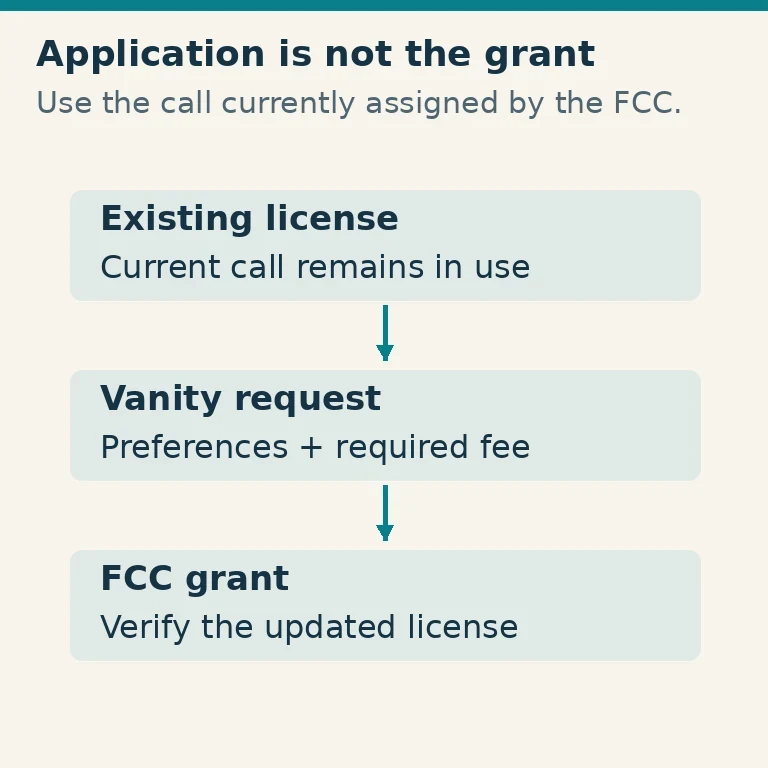
Look up your own grant in ULS and confirm the call sign assigned to you. A call sign is the station’s assigned identifier; you will use yours when you transmit. For a first-time U.S. licensee operating their station alone, the grant is the starting gate: FCC § 97.5 requires station apparatus to be under the physical control of a person named in an amateur station license grant in ULS before it transmits. The rule also addresses other authorization circumstances, so this is guidance for your solo operation—not a claim that passing an exam alone authorizes it.
You can use the waiting or preparation time to listen and learn. Receiving a signal is different from transmitting one. Keep that distinction in mind if you have access to a radio before you have confirmed your grant and operating setup.
Next, choose a possible operating activity before choosing a transmitting frequency. Consult ARRL’s Band Chart of US Amateur Radio Technician Privileges and the applicable local band plan. Check that your intended frequency, mode and other operating choices fit your current privileges; do not assume that every channel you can hear is one you may use to transmit. ARRL provides the Technician chart as a starting reference, while the particular operating path you choose still needs its own current checks.
Know the identification rule before making a call. Under FCC § 97.119, an ordinary amateur station transmits its assigned call sign at the end of each communication and at least every ten minutes during one. The short example later in this guide shows each participant ending with their own call sign; it does not replace the rule for a longer conversation.
Finally, consider the station—not just your license. FCC § 97.13 requires the licensee to ensure compliance with applicable radio-frequency (RF) exposure requirements. Before transmitting, establish that your intended station can be used safely and within its applicable requirements. If you cannot yet establish that, or are unsure of your authorization, keep listening and ask an experienced operator or appropriately qualified person for help. A day on the calendar is not permission to transmit through an unresolved safety question.
Days 1–7: Choose a Modest Path and Listen First
Aim to identify one feasible path, not to master every part of amateur radio. A repeater is a station that relays transmissions; simplex means stations communicate directly with each other. ARRL notes that a first FM voice contact may happen through a repeater. That makes a suitable local repeater one possible starting point, not a requirement or a promise that someone will answer.
If you want to try a repeater, identify a candidate and get its current operating details and rules from its operator or a current listing. Confirm what that selected repeater requires rather than copying settings from an old directory or assuming that another repeater works the same way. Then listen. Notice how operators find an opening, how brief calls sound, and whether the repeater is in use. ARRL specifically advises spending time listening to a chosen repeater to learn its operating procedures.
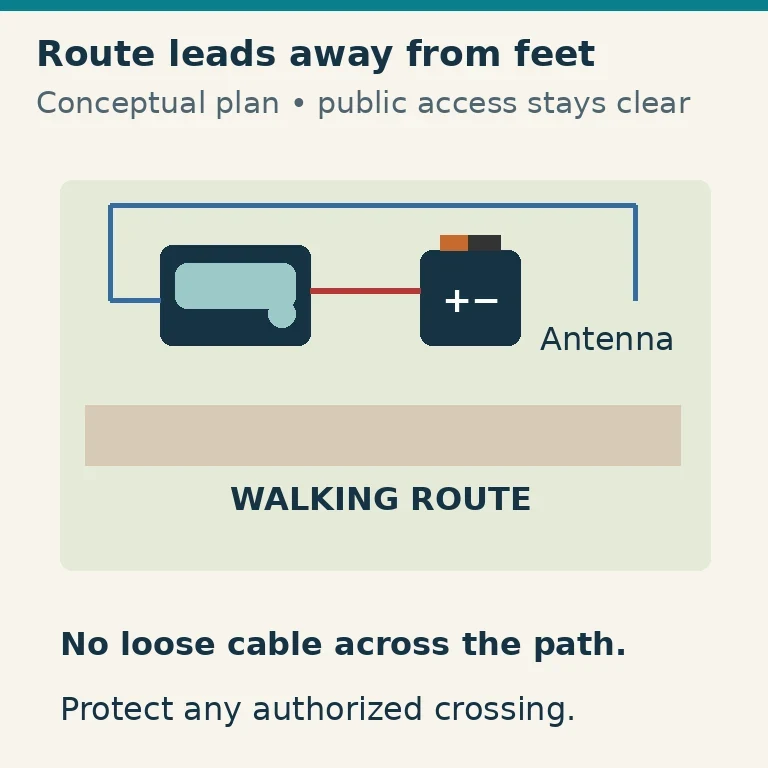
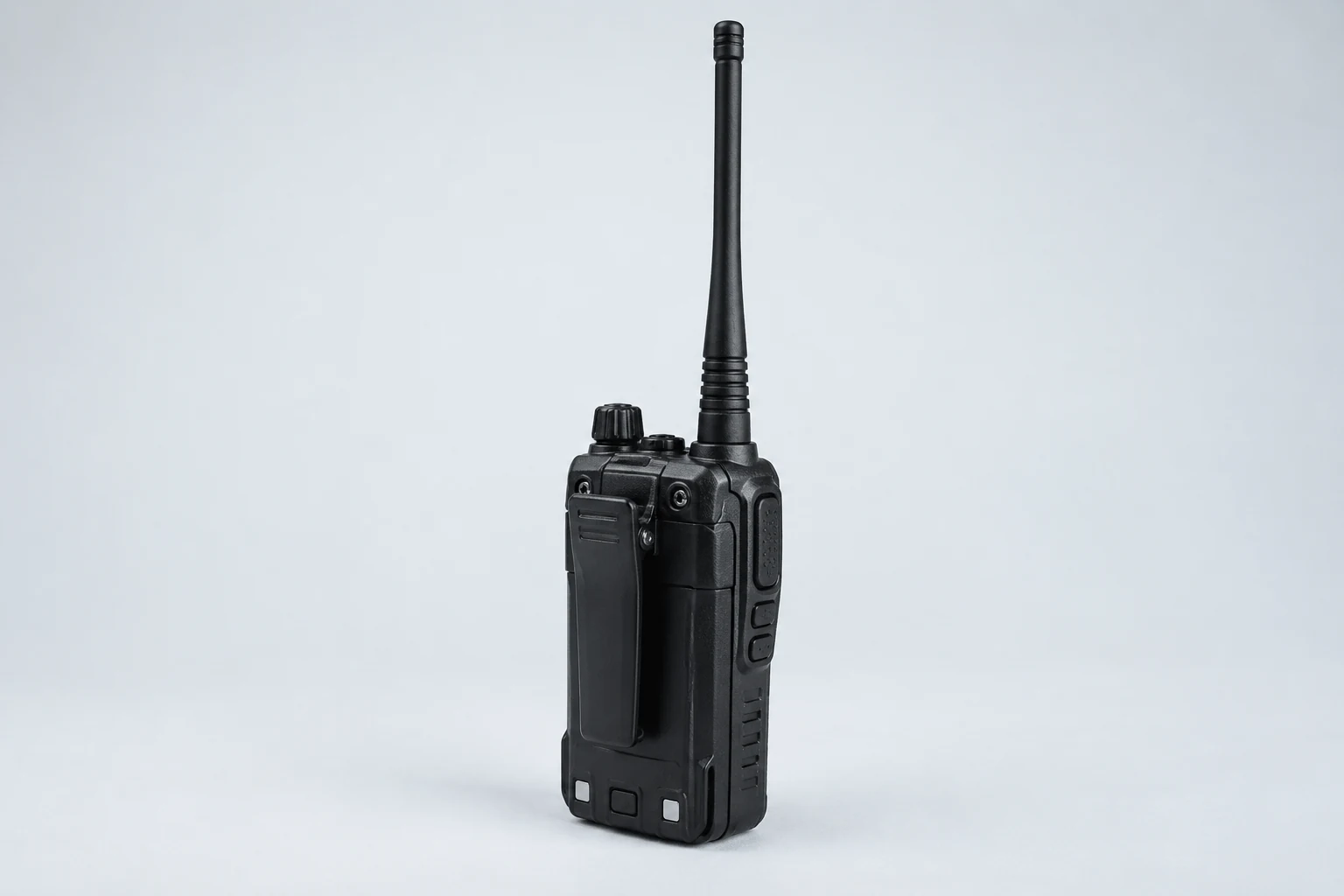
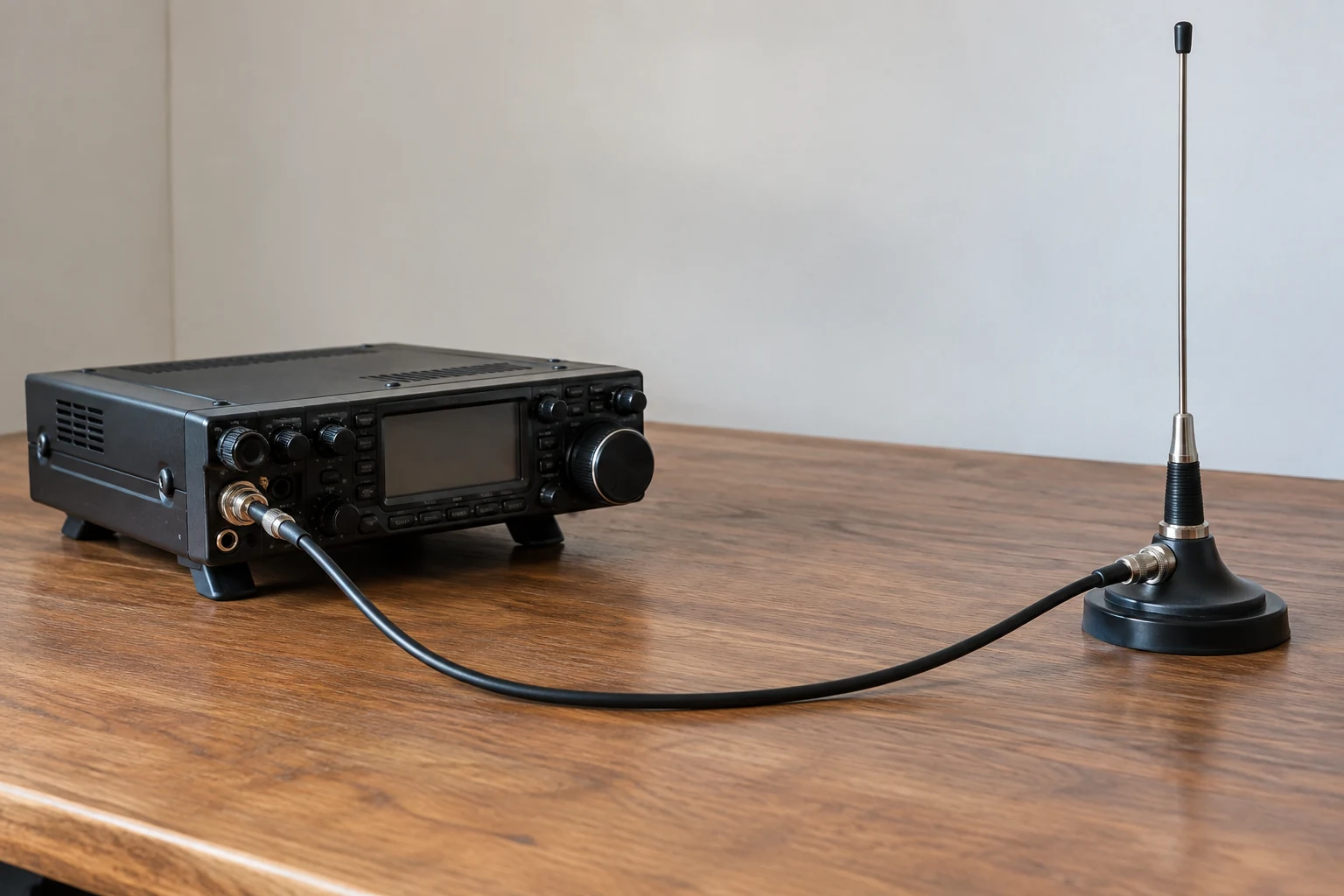
You can make a useful station check without claiming the equipment has been tested. Identify the radio’s intended configuration from its instructions. Locate the antenna—the part of the station intended to send or receive radio signals—and, if your setup uses one, the feed line connecting it to the radio. Check that the components you intend to use are connected as their instructions specify. Do not improvise equipment-specific settings or attempt antenna installation or other work beyond what you can safely assess. An inspection and a review of instructions are preparation; they are not proof that the station will transmit properly or meet every safety requirement.
If a repeater is not available to you, a suitable simplex contact is another possibility—but only after you verify the applicable privileges, determine that the channel is clear, and check the station’s safety. If those conditions are not met, defer transmitting rather than guessing at a frequency or setup.
No radio purchase is needed to benefit from the first week. If you do not have a ready station, visit a local club, observe an experienced operator, and ask how they verify their operating choices and setup. ARRL recommends finding a nearby club, watching and listening, and asking questions when you need to. It also suggests listening to conversations if speaking into a microphone feels intimidating. You might finish the week with a confirmed grant, a candidate operating path, and a question for a local operator. That is useful progress even if you have not touched a transmit button.
Days 8–14: Practice and Make a First Contact
When you have a ready, suitable station, write a few lines you can say comfortably. ARRL recommends scripting a basic first contact. Treat any sample script—including the one below—as a rehearsal aid, not mandatory wording. Practice saying your assigned call sign clearly and leaving room for a reply.
Immediately before an attempt, recheck that your chosen frequency and method are within your Technician privileges and that the station meets applicable RF-exposure requirements. For a repeater, confirm its current local operating requirements as well. If you are uncertain about any of those conditions, do not use a practice script as a reason to go ahead; listen and resolve the question first.
Now monitor for an opening. If the repeater is busy, wait rather than speaking over a conversation. If it is quiet and you are ready to call, ARRL advises transmitting your call sign. It specifically says that calling “CQ” is poor repeater etiquette; a call-sign announcement is the simpler repeater approach. On a suitable simplex channel, first listen to determine that it is clear, then make a brief call appropriate to that path.
Here is one author-designed example of a brief two-person exchange on a quiet repeater. [YOUR CALL SIGN] means your actual assigned call sign; [THEIR CALL SIGN] means the responding operator’s different actual assigned call sign. Replace the placeholders when speaking. The speakers are distinct:
> You: “[YOUR CALL SIGN], listening.”
>
> Other operator: “[YOUR CALL SIGN], this is [THEIR CALL SIGN]. Hello—how are you?”
>
> You: “Hello, [THEIR CALL SIGN]. I’m doing well, thanks. This is my first contact on this repeater. I can hear you clearly. [YOUR CALL SIGN].”
>
> Other operator: “Glad to meet you. Thanks for the contact; I’ll let you go. [THEIR CALL SIGN].”
>
> You: “Thanks for answering. I’m clear. [YOUR CALL SIGN].”
The example keeps the report modest: you say only that you can hear the other operator clearly, not that your own signal has been tested or is performing well. If someone answers your real call, listen to what they said, reply briefly, and pause so they can speak. You can say that you are new, ask one simple question, or thank them for the contact. You do not need to force the conversation to match the example.
Notice the endings: the other operator closes a transmission with their assigned call sign, and you close yours with your assigned call sign. That illustrates the FCC requirement to identify at the end of a communication; if a conversation continues, remember the rule’s at-least-every-ten-minutes interval too. The regulation specifies identification, not the greeting or conversational words in this example.
A response is possible, not promised. If nobody answers a brief call, stop and listen again rather than continuing to talk to an unresponsive channel. For a repeater attempt, revisit that repeater’s requirements and ask a local club or experienced operator about what you may have missed. If your privileges, station safety and the next chosen path are clear, try again at another appropriate opportunity. Do not interpret silence alone as a diagnosis of your equipment—or as evidence that you did something wrong.
Days 15–30: Use What Happened to Choose the Next Skill
After a contact or an unanswered attempt, make a personal learning record while the details are fresh. Note when you tried, whether you used a repeater or a suitable simplex path, what you heard, and what setup and settings you used. If you made a contact, add the other operator’s call sign. Finish with one question: perhaps “Did I understand this repeater’s requirements?” or “What should I check before trying this path again?” ARRL raises the question of keeping a contact record in its new-license resources, but that question alone does not establish either a legal logging requirement or an exemption. Here, notes are a tool for learning.
Separate an observation from an explanation. “I heard another operator but got no reply” records what happened; “my microphone is broken” is a diagnosis you have not established. Likewise, a confusing transmission does not by itself tell you whether the problem was audio, a setting, reception or something else. Write down the settings you used before changing them. If something about audio, configuration or reception remains uncertain, consult the equipment instructions and ask an experienced local operator to help you check one possibility at a time. If authorization or RF safety is in doubt, stop transmitting until it is resolved.
Let your next activity answer a question that this attempt actually raised. If you made a comfortable contact on a local path, returning to it may help you practice listening, timing and concise replies without adding a new setup challenge. If that path did not work for you, or another part of amateur radio interests you more, explore that activity after checking its privileges and station requirements. ARRL encourages new licensees to find the parts of the hobby that appeal to them; a nearby experienced operator can help turn that interest into a manageable next skill.
You might decide that the next skill is understanding your radio’s instructions, learning a selected repeater’s practices, or observing a different activity with a club. Put any equipment question in similarly concrete terms: What could I not do with the setup I have, and what do I need to learn before deciding whether a change would help? ARRL lists equipment questions alongside first-contact questions for new licensees, but you need not answer them by buying something now. Observed needs—not the arrival of day 30—should guide a later purchase.
If Your First Month Does Not Go to Plan
The four-week sequence is a planning scaffold, not an FCC deadline. It sets no contact quota, guarantees no reply, and requires no equipment purchase. You can move between listening, preparation and attempts as your actual circumstances allow.
If your own grant has not appeared in ULS, wait before solo transmission; passing the exam was not this plan’s starting point. If your station or selected operating path is not ready, continue listening and seek help with the specific unresolved setup or safety question. If you made appropriate calls but heard no answer, keep your observations and try another suitable opportunity rather than treating silence as failure.
A useful first month can end with verified authority, a safe and suitable operating path, a contact or an informed attempt, notes about what happened, and one chosen next step. If some of that takes longer, continue from the point you have reached.