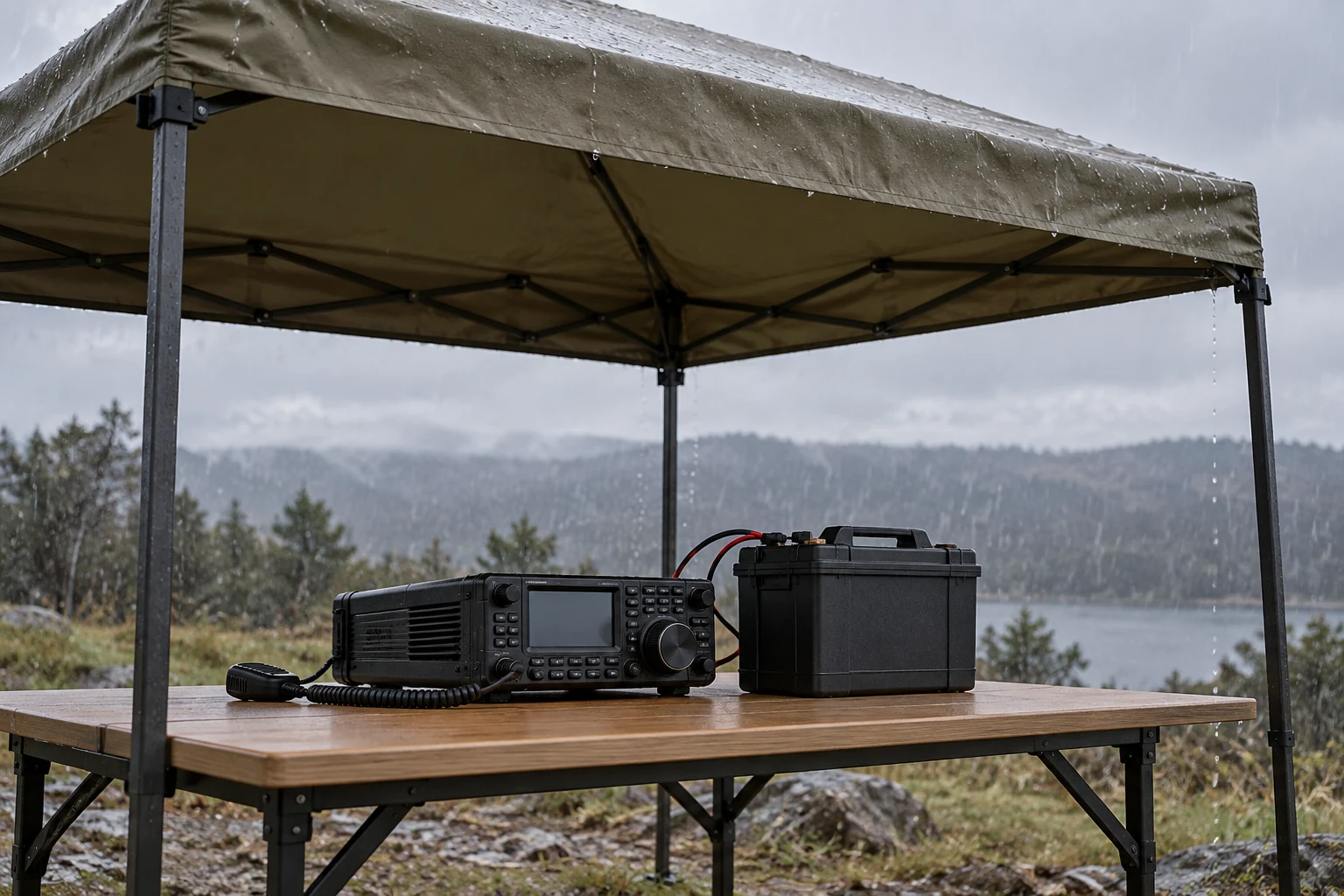
Weatherproofing a field radio station means keeping ordinary rain off equipment and connections while leaving the radio able to cool—not making the station waterproof. Before a portable or POTA outing, check each device’s instructions and the thunderstorm forecast. Then choose cover that sheds rain away from the operating position, route exposed cables so water runs away from connectors, and keep power connections dry. If a thunderstorm threatens, stop outdoor activity and go to proper shelter. Afterward, dry and inspect the station before storing it or using suspect equipment again.
Check the Gear and Forecast Before Choosing a Site
Start with the gear you will actually bring, not a general description such as “portable” or “water-resistant.” A handheld that its manufacturer rates for some water exposure is different from an unsealed radio. Neither description tells you what a separate battery, interface, or logging device can tolerate. Parks on the Air lists a tablet or laptop as a possible station accessory, but that suggestion is not a weather rating for the computer.
Read the instructions for each device before choosing a rain cover. Icom advises checking a radio’s actual waterproof rating and warranty; the protection of one model should not be assumed for another. Its care guidance also says maintenance needs differ among radio types and recommends keeping even water-resistant radios dry where possible. For your station, the useful question is not “Is this setup weatherproof?” but “Which items and openings need to stay out of the rain?”
Make a short inventory on the table before you pack: radio, microphone or control unit, battery, logging device, any interface, and the connections between them. Identify ports, charging caps, exposed battery contacts, power leads, and antenna connections. Check the applicable device instructions for which closures must be in place during use. If an accessory has no stated rain tolerance, plan to keep it dry rather than treating the radio’s rating as protection for everything connected to it. Icom warns that water across battery contacts can short a battery, so those contacts deserve attention even when the radio itself has some water resistance.
Now match the site and cover to the most vulnerable item that must remain in use. As a practical planning choice, a dry operating surface well inside an overhead cover is more useful than a cover that shelters the radio but leaves its power connection at the edge. If wind-driven rain or splashing would still reach a device that must stay dry, choose a more sheltered position or do not use that device outdoors. The cover changes exposure; it does not change any manufacturer rating.
Check the latest forecast before setup. The National Weather Service advises checking the likelihood of thunderstorms before an outdoor activity and considering postponement or cancellation if they are forecast. Decide at this stage where you would go for lightning shelter. Ordinary rain may call for a better station layout; a thunderstorm calls for a different decision altogether.
Arrange Rain Cover Without Blocking the Station
For ordinary rain, build the operating position around runoff, access, and cooling. Put stable overhead cover above the work area, then place the radio and logging device back from its edges rather than directly below a place where water may drip. Keep the working surface out of obvious splash paths. Arrange controls and the display where you can use them without pulling equipment toward the rain, and lead cables away so water running along them does not arrive at the work area. Keep drinks away from the equipment as a simple precaution against a spill.
That layout is practical advice, not a certification for the station. Overhead cover reduces direct rain exposure, but an unrated radio or laptop underneath it remains unrated. Icom recommends keeping rain out of radios because water can cause corrosion. A tarp or pavilion is likewise a way to manage ordinary rain, not a place to remain during a thunderstorm.
Check the radio’s operating and ventilation instructions before putting anything around it. Icom notes that radio fans draw in air and that dusty or humid surroundings can impair function. If an enclosure or bag would block a transmitting radio’s required airflow, do not seal the radio inside it. This condition matters even if a tighter covering appears better at shedding rain: protecting a radio from droplets is not a sound trade if it prevents the cooling required for operation.
Aim for an open-air position under cover when you can maintain both splash protection and the clearance specified for your equipment. For example, a radio may sit far enough inside a covered work area to avoid drips while its ventilation remains unobstructed and its controls remain reachable. That is a layout example, not a substitute for the model manual. If rain reaches the operating position unless you close the radio into a poorly ventilated bag or box, stop operating and move it to a suitable dry location instead. Do not assume that changing the cover changes the conditions under which the radio may transmit.
Openings deserve their own check. Icom specifically advises keeping a radio’s charging cap sealed and wiping excess water away before storage, even for a water-resistant radio. Follow your model’s instructions for its caps, port covers, and connected accessories; do not assume that a closure mentioned for one radio applies to another. A cover that keeps falling rain off the top of the case will not help if water can reach an opening or run along a lead to a connection.
Finally, look at the station from where the rain would enter, not only from the chair. If moving the table slightly inward puts the logging device, power lead, and radio all within the sheltered area without crowding the radio’s vents, that is a better use of the cover than protecting only the radio body. If you cannot keep the items needed for operation dry and ventilated together, the appropriate choice is to stop using that outdoor layout.
Route Coax and Protect Power Connections
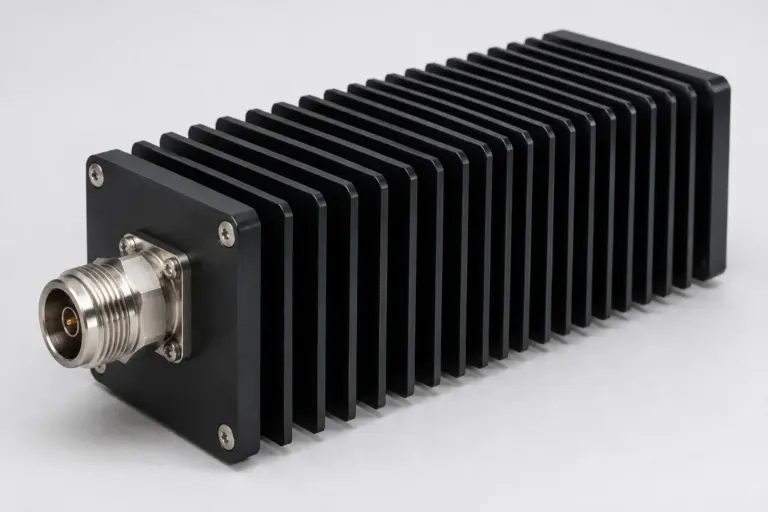
Coax is the cable that carries the signal between the radio and antenna. At an exposed outdoor coax connector, arrange the cable to dip below the connection and rise again: this drip loop gives water running along the cable a lower point from which to fall rather than directing it toward the connector. ARRL describes making a drip loop near an outdoor connector and supporting the cable at or near the loop. The support has a separate purpose: it reduces flexing at the connector that can cause weatherproofing to fail.
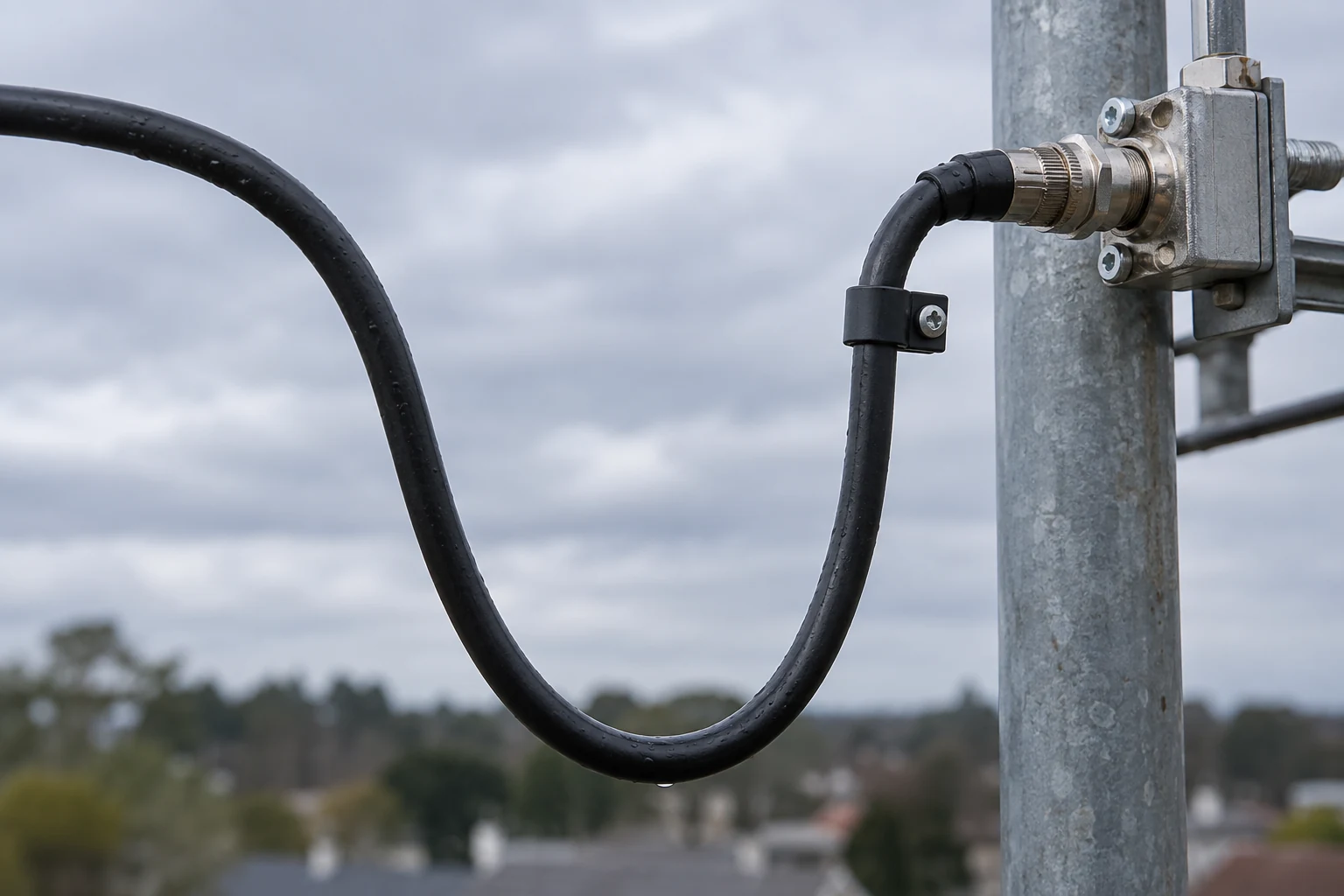
Consider those two jobs independently during setup. Look at the cable’s path and ask where runoff will go. Then check whether the cable’s own movement or weight is pulling on the connection. A loop without nearby support may shed water yet leave the seal subject to flexing; a well-supported straight run may still guide water toward an exposed connector. Position and support the temporary cable so both problems are addressed, without treating this as a specification for a permanent installation.
If an exposed outdoor coax connection warrants a seal, ARRL’s published connector method offers an example of what the sealing layers do. It says dust or grease greatly reduces adhesion. In that method, a self-fusing butyl layer is the main waterproofing layer, with electrical tape wrapped over the butyl. Cleanliness, the waterproofing layer, and the outer wrap each matter to that published method; simply putting an outer layer of tape on a dirty connection is not the same method.
A field station also has a pack-down date. Do not assume that a permanent-style wrap is mandatory for every temporary connector, particularly one that must be disconnected when you leave. First consider whether the connection can be placed under cover and what the connector and equipment manufacturers instruct. If you adapt a sealing method for an exposed connection, follow the applicable instructions rather than inventing a quick temporary-seal recipe. The objective is to keep runoff away without creating a connection you cannot manage as required at pack-down.
Power needs a different check from coax. Keep battery contacts out of runoff: Icom cautions that water or another conductor across the contacts can short the battery. That does not mean sealing the battery or radio into a covering contrary to its operating instructions. Instead, check where the battery and its contacts sit in relation to drips, splashes, and wet leads, and move the setup if those points cannot remain protected.
For a station using AC power, keep cord connections protected from weather. A June 2006 Field Day safety-officer note hosted by the ARRL Eastern Massachusetts section includes weather-protected AC cord connections in its local checklist. It is an older local note, not a statement of current electrical code or national event rules. Use the narrow point it supports: do not leave AC connections exposed to rain. If the proposed site cannot keep those connections protected, choose another power arrangement or location rather than operating with wet connections.
Before transmitting, trace each exposed lead from equipment to connection and ask two questions: Can water follow this route into something that must remain dry? Can movement pull on a protected connection? The answers may call for changing the cable route, adding support, or moving the connection under cover. Rain protection works best as a layout of the whole station, not a piece of tape considered in isolation.
Stop Operating When Thunderstorms Threaten
Set a firm boundary between operating through ordinary rain and being outside during a thunderstorm. The National Weather Service states that no outdoor place is safe when a thunderstorm is in the area and says to stop the activity immediately. At that point, the question is no longer whether the radio cover is holding up. Stop outdoor operating and go to the lightning shelter you identified before setup.
A substantial building with wiring and plumbing offers the greatest protection identified by the National Weather Service. If one is unavailable, it says a hard-topped metal vehicle with its windows closed provides good protection. Know which of those options you can reach before you begin operating. A nearby structure is not necessarily a suitable alternative: the Weather Service explicitly rules out small outdoor rain shelters and sheds. Treat a picnic pavilion, small shelter, or tarp as rain cover only, not lightning shelter.
Do not stay at the station because the radio is under cover or the connectors have been sealed. Weatherproofing measures address water reaching equipment; they do not turn an outdoor operating position into a safe place during a thunderstorm. Likewise, do not make dismantling the station a prerequisite for getting to shelter. Stop working on the outdoor antenna and equipment and prioritize leaving the exposed area. This is an operating decision, not a procedure for installing or handling a lightning-protection system.
The stop rule also applies if a storm develops despite a favorable forecast. A forecast check helps decide whether to set up, but it cannot replace the decision made when a thunderstorm is actually in the area. If you are weighing one more contact against shelter, the Weather Service’s instruction to stop immediately settles that choice.
Stay sheltered until the return condition is met: the National Weather Service says to wait at least 30 minutes after the last thunder before resuming outdoor activity. That is the earliest point to reconsider the station, not an automatic instruction to transmit again. Once it is safe to go outside, reassess the rain cover, equipment, and connections. If the station became wet or its protection shifted while unattended, use the inspection and pack-down decisions below before putting it back into service.
Dry, Inspect and Store the Station
Once outdoor conditions are safe, close down with moisture in mind. Check the sheltered work area for drips and splashes, then look at the exposed cable runs and connections before disconnecting and packing them. Wipe excess water from radio exteriors; Icom advises doing so before storage, including for radios described as waterproof or water-resistant. Check that model-specific caps and closures are in the condition required by the device instructions. Icom specifically calls out a sealed charging cap, but the closures on your own equipment must be checked against its manual.
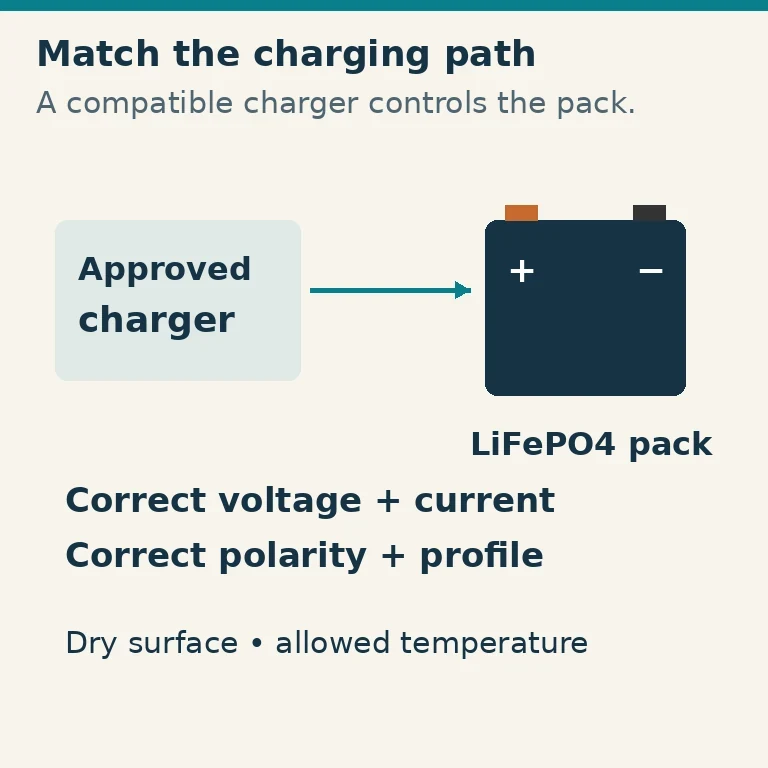
Pay particular attention to battery contacts. Look for moisture without opening wet equipment or trying to find out whether it still works. Icom warns that water across contacts can short a battery and says not to use a battery that is physically damaged or generating excessive heat. If a battery is wet, damaged, or otherwise suspect, keep it out of use and follow its manufacturer’s instructions or seek qualified service. Do not charge it as a way to test it.
Avoid packing damp equipment into closed storage. Icom advises dry, cool, well-ventilated locations for battery charging and storage; that storage guidance does not authorize charging a wet or suspect battery. Let the condition of each item determine whether it is ready to be stored, rather than packing everything immediately because the exterior of the radio has been wiped.
Before the next outing, inspect the coax connections and the support near them. Dirt or grease can undermine the adhesion of a weatherproofing wrap, while cable support near a connection helps it last; both points appear in ARRL’s connector guidance. Look for dirt, movement, or a compromised seal so the next setup does not rely on protection that has shifted or failed. This is an inspection, not a reason to assume every temporary connection needs the same wrap.
If you suspect water entered equipment or find damage, keep the affected item out of use and consult its manufacturer instructions or qualified service. Do not open, power, charge, or attempt to repair it to check its condition. A dependable field routine respects each item’s limits: shelter a ventilated operating station from ordinary rain, keep runoff away from connections, leave for proper shelter when thunderstorms threaten, and store only gear that is dry and fit for its next use.