
Activities and Propagation · 12 min
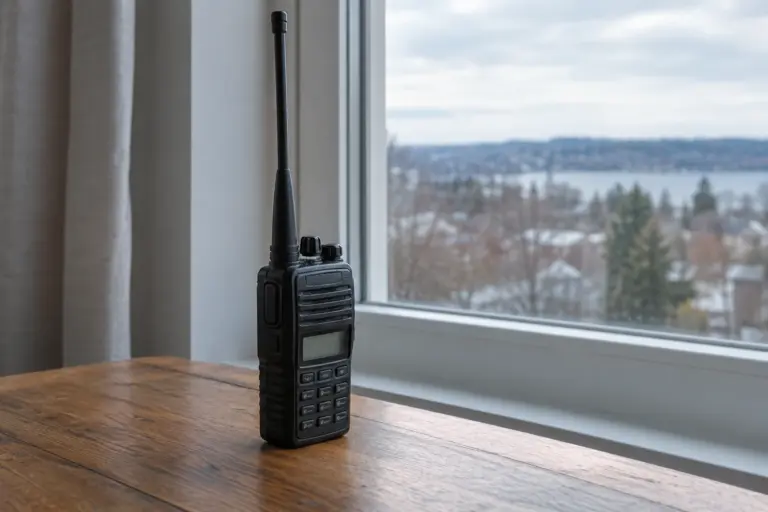
How to Hunt POTA Stations From Home With Portable Gear
Learn how to use portable radio gear at home to find POTA activators, make a lawful contact, and track hunter credit.
Read guide →Beginner guides
Beginner amateur-radio guidance for the United States, with current-rule checks, realistic equipment choices, and clear safety stop points.
Learn how to use portable radio gear at home to find POTA activators, make a lawful contact, and track hunter credit.
Read guide →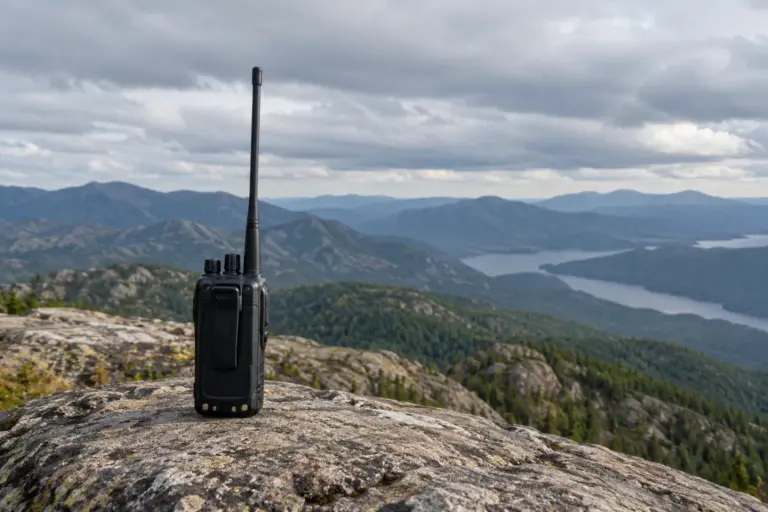
Plan a lawful VHF QRP outing, choose a suitable contact route, make a simplex call, and learn from an unanswered attempt.
Read guide →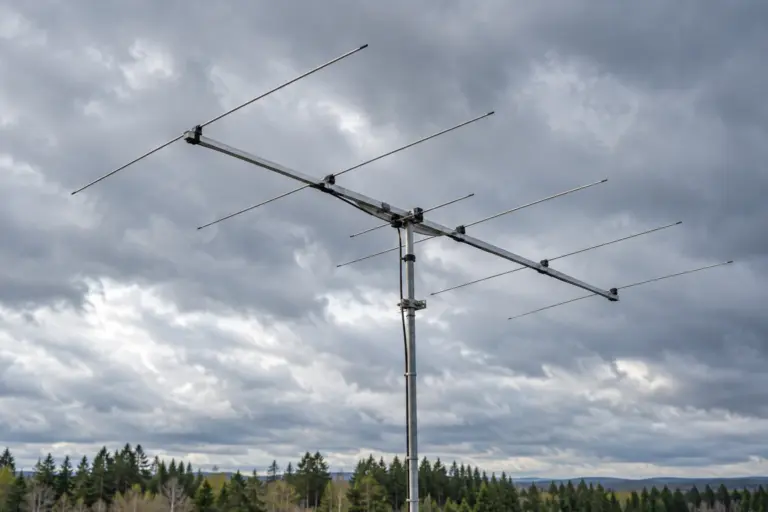
Use local reception checks, solar data, space-weather reports, and route observations to investigate why an HF band seems quiet.
Read guide →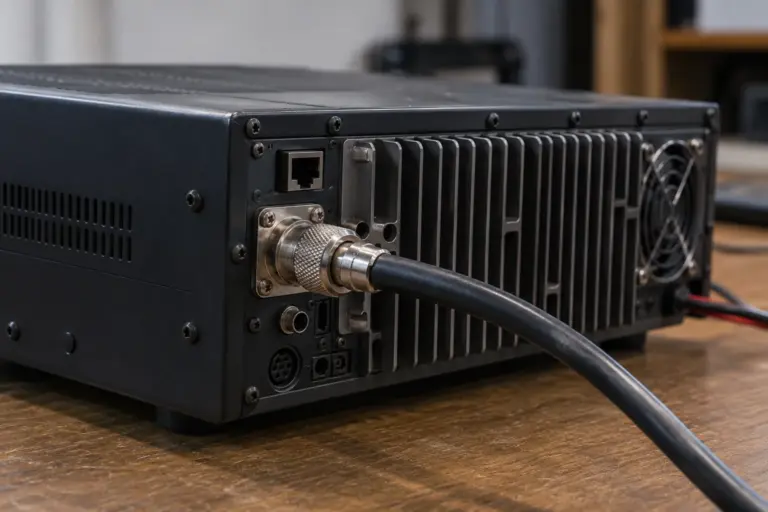
Understand what K and Kp measure, how geomagnetic activity can affect HF propagation, and why readings cannot predict a particular radio path.
Read guide →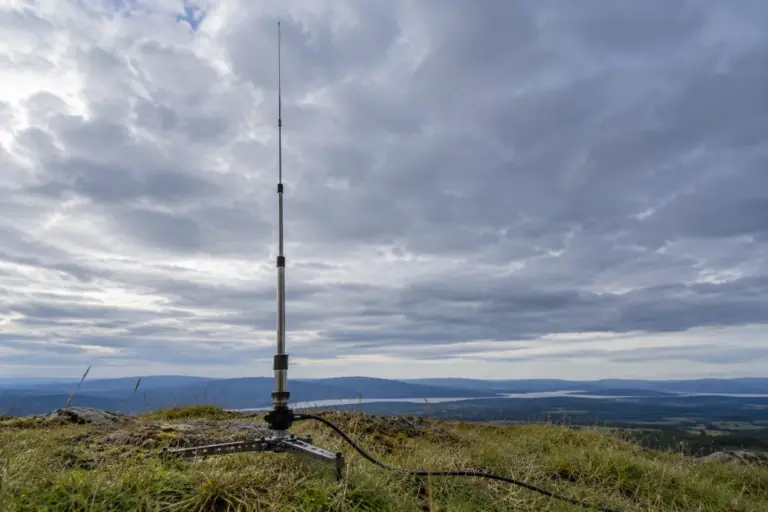
Understand how skip distance and changing ionospheric conditions affect HF contacts, and how to choose a band for a specific route and time.
Read guide →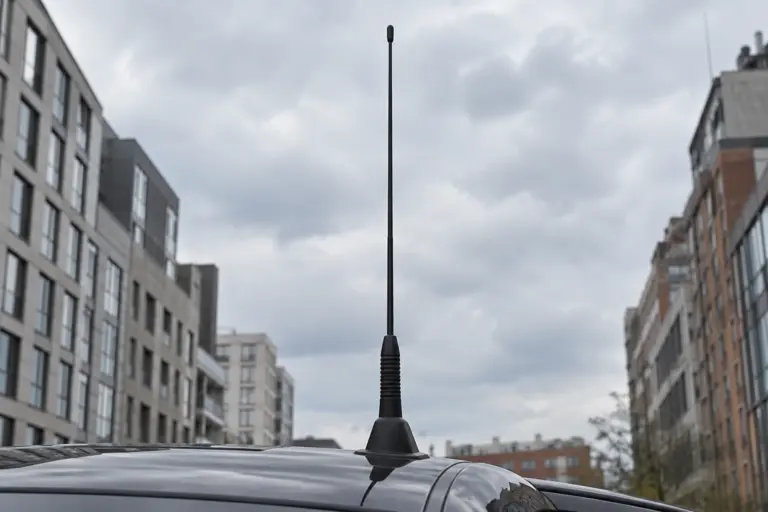
Understand how direct and reflected VHF signals combine, why reception can fade, and when a small position change may help.
Read guide →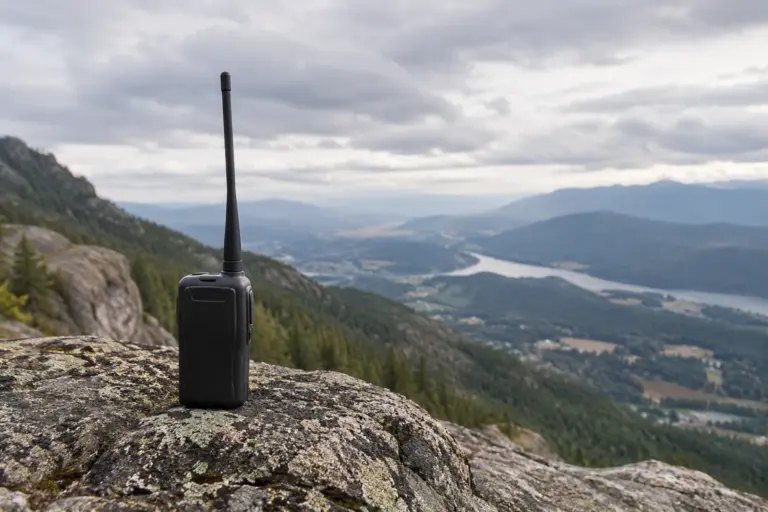
Understand how antenna height affects VHF communication and weigh terrain, obstructions, and feedline loss when choosing a location.
Read guide →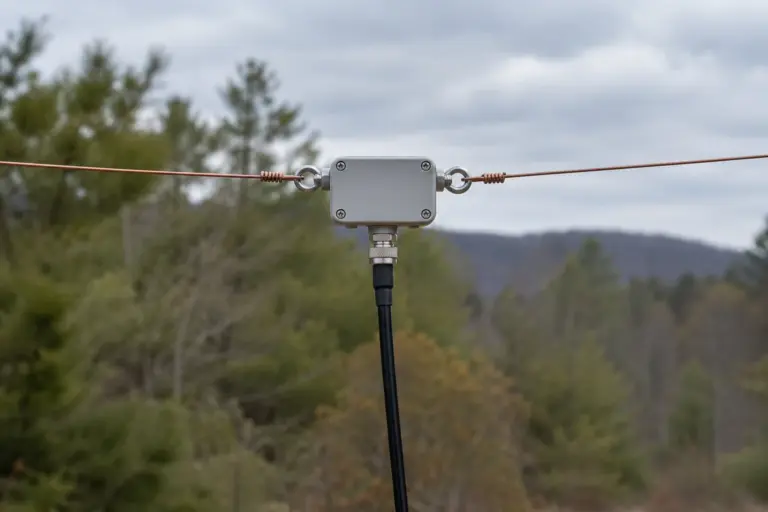
Read an SWR curve across your operating frequencies, distinguish its minimum from antenna resonance, and decide what to check before tuning.
Read guide →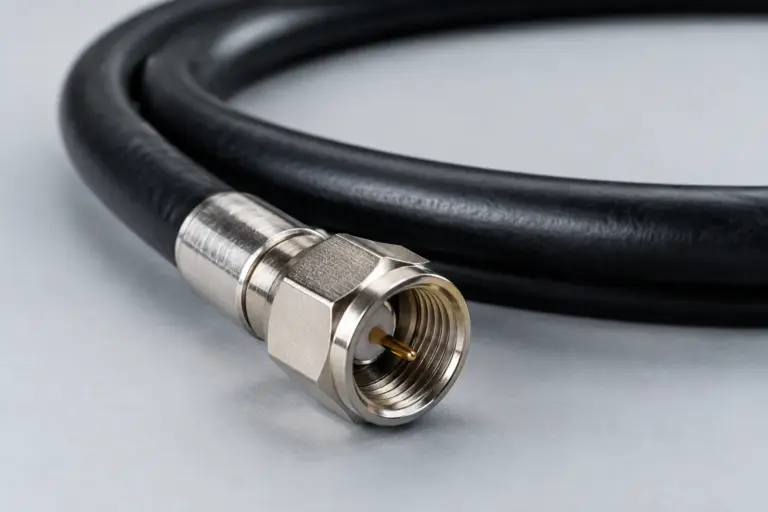
Choose ham radio coax by comparing loss at your operating frequency, cable length, power limits, routing, connectors, and antenna mismatch.
Read guide →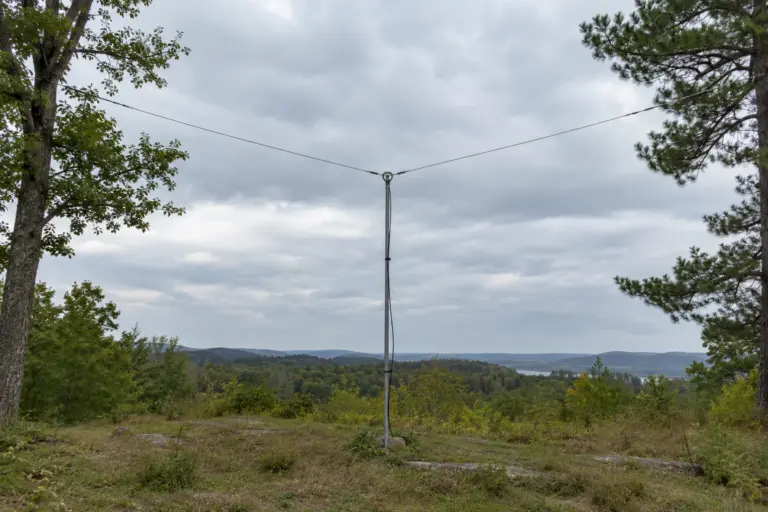
Compare end-fed, dipole, and vertical HF antennas by space, feed point, band coverage, and return path to choose a practical build.
Read guide →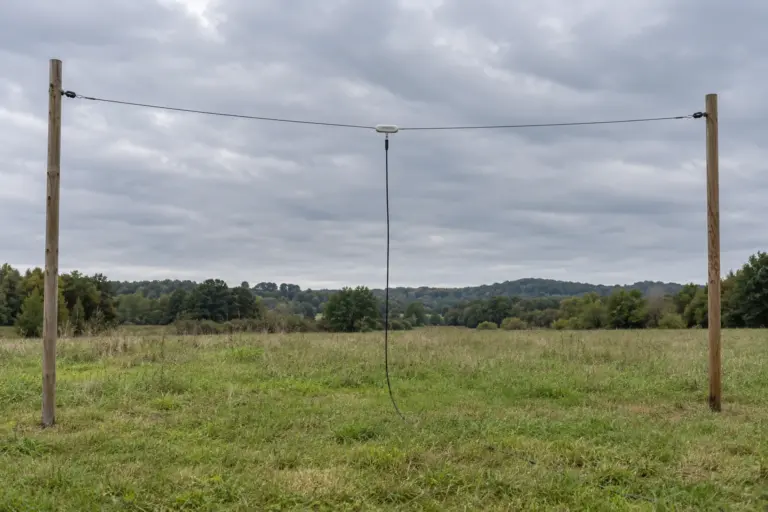
Understand how HF bands and propagation affect radio range, and how to choose a starting band while checking transmit privileges.
Read guide →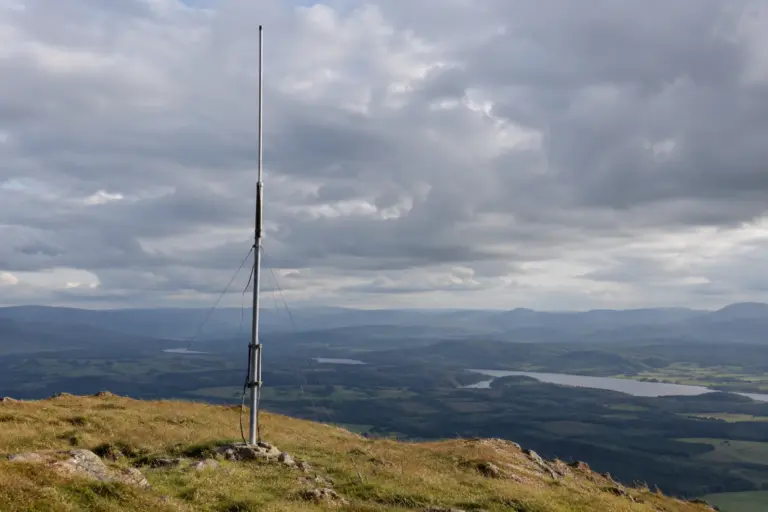
Compare VHF and UHF wavelengths, outdoor and indoor paths, and antenna installations to choose a radio setup for your intended link.
Read guide →