How to Check Your Repeater Offset and Tone Settings before Transmitting
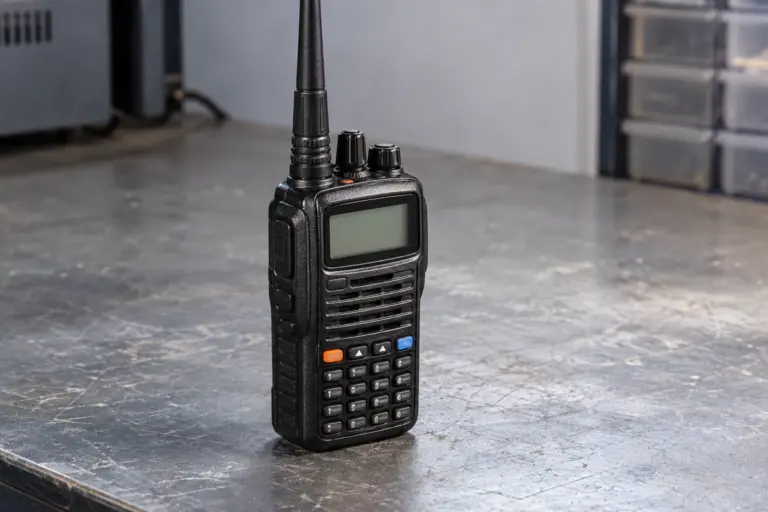
Learn to verify a repeater memory’s frequencies, offset, duplex state, and access tone against current operator settings before transmitting.
Read guide →Beginner guides
Beginner amateur-radio guidance for the United States, with current-rule checks, realistic equipment choices, and clear safety stop points.
Learn to verify a repeater memory’s frequencies, offset, duplex state, and access tone against current operator settings before transmitting.
Read guide →
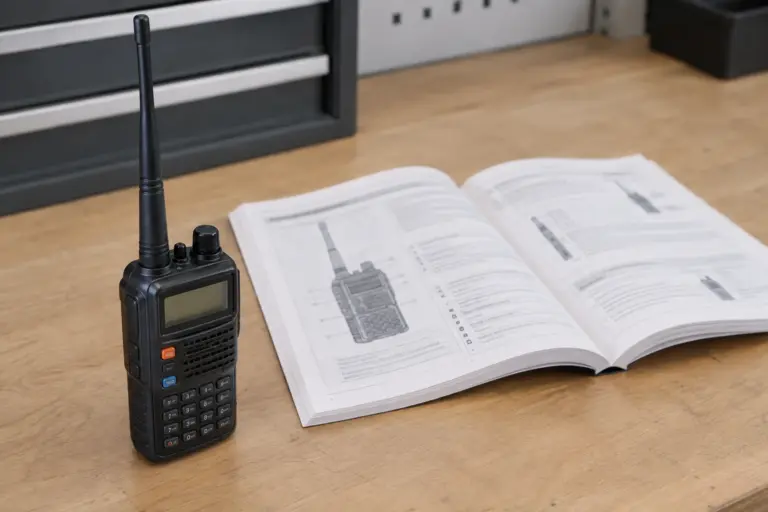
Use your handheld radio’s manual to save a simplex memory channel and check its frequency, duplex, and tone settings without transmitting.
Read guide →
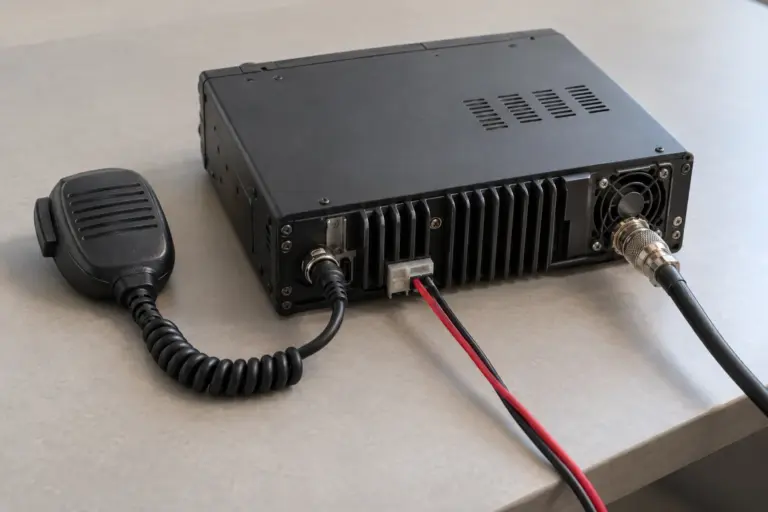
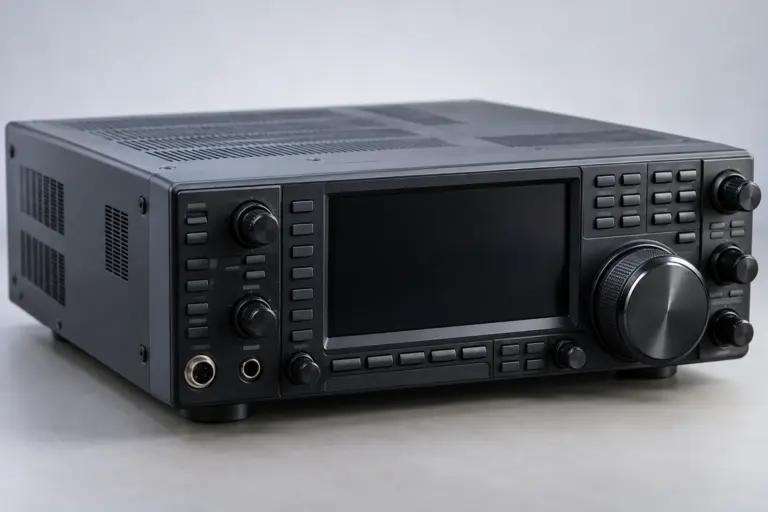
Compare HF radios for digital modes by checking computer connections, transmit duty, receiver usability, and total station cost.
Read guide →
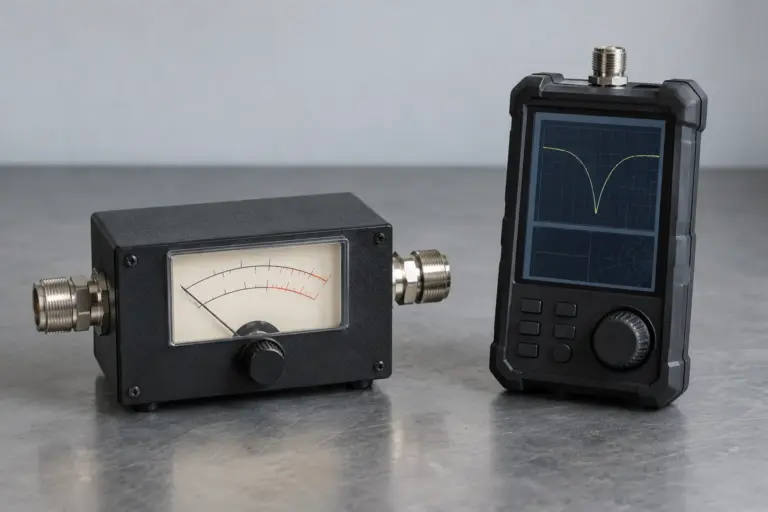
Learn when an SWR meter is enough for station checks and when an antenna analyzer helps with antenna adjustment and diagnosis.
Read guide →
Learn how to check HF operating privileges, prepare your station, complete a first contact, and log the exchange.
Read guide →
Understand how notch filters reduce narrow radio interference, why their receiver placement matters, and when another remedy is needed.
Read guide →
Compare antenna, household, and outdoor observations to narrow the cause of sudden radio noise and choose a safe next step.
Read guide →
Learn how to screen amateur radio stations for FCC RF exposure, evaluate accessible areas, and address conditions that could exceed limits.
Read guide →
Understand how antenna power, frequency, direction, location, operating time, and simultaneous transmitters affect RF exposure where people may be present.
Read guide →
Learn how to set up Winlink Express, choose a public radio gateway, send amateur-radio email, and check message status.
Read guide →
Learn how to protect field radio gear from rain, preserve cooling, manage connections, respond to thunder, and inspect equipment before storage.
Read guide →
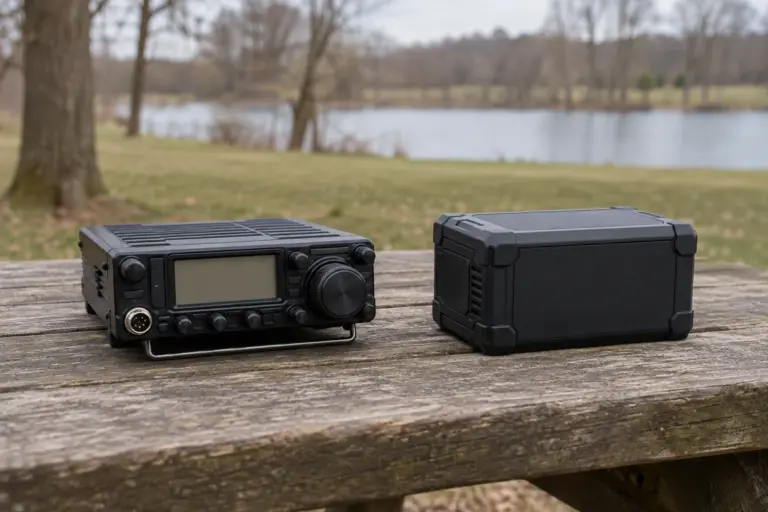
Choose a POTA power source by checking your radio’s electrical requirements, estimating session energy needs, and considering the park location.
Read guide →